
How Does Geneseo, NY’s Climate Affect Local Roofs?
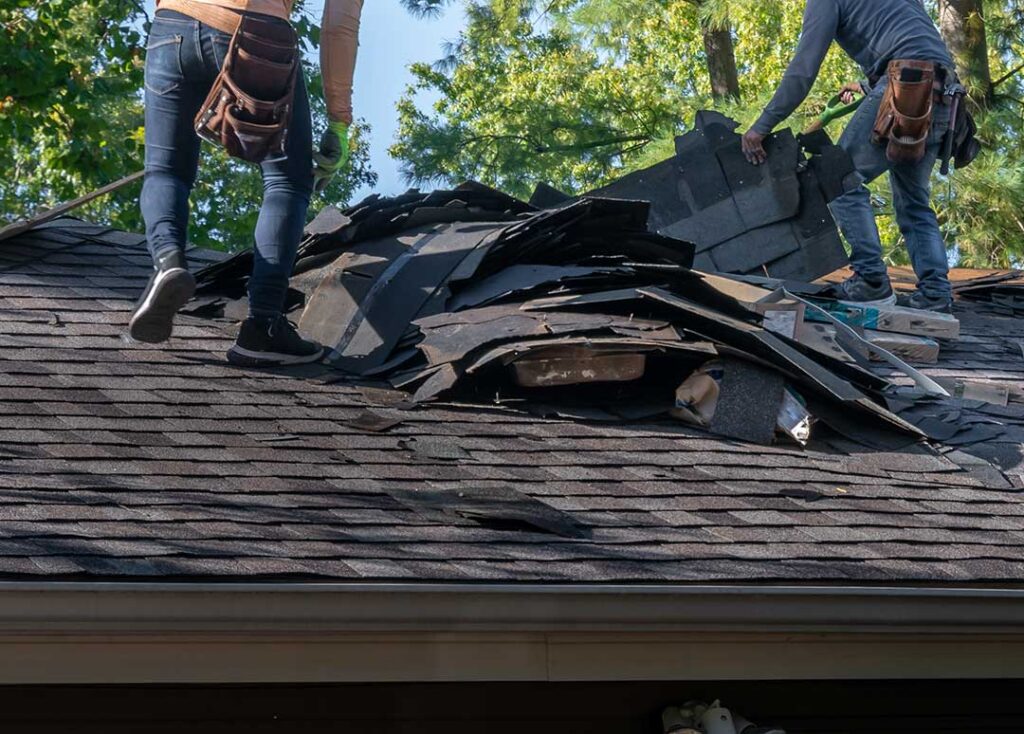
Roofing in Geneseo, NY faces distinct challenges due to local weather patterns. Rain, snow, ice, wind, and seasonal temperature changes all influence how long a roof lasts and how well it performs. Households in the area typically see a mix of dense winter precipitation, variable spring and fall weather, and stretches of both humid summers and frigid winters. Throughout the year, these conditions create ongoing stress for most roofing systems across the community.
What Are the Most Common Weather-Related Roofing Issues?
Many area residents notice wear and tear after major storms or a hard winter. Weather in Geneseo can cause:
- Water leaks from heavy rain and melting snow, especially where flashing or shingles are damaged.
- Ice dams forming along roof edges, leading to trapped water that backs up under shingles.
- Shingle granule loss and cracking from temperature swings and UV exposure.
- Wind uplift displacing shingles, especially after windstorms with gusty or sustained winds.
- Moss and algae growth, most common in shaded, damp spots after frequent rain.
Seasonal extremes often reveal weaknesses that routine observation might miss. For example, a roof that appears solid after summer may develop leaks once the winter freeze and spring thaw cycle begins.
Why Does Snow and Ice Cause Problems for Area Roofs?
Snow loads and ice buildup put unique strain on local roofs every winter. Snow accumulates quickly during heavy storms, then melts and refreezes due to fluctuating temperatures. This freeze-thaw cycle is a leading cause of:
- Ice dams—ridges of solid ice that block roof drainage and can force water under shingles.
- Structural stress if too much snow piles up, leading to sagging or even structural damage if unsupported.
- Water leaks along eaves, valleys, and near gutters as melting snow finds vulnerable areas.
Paying attention to attic ventilation, insulation quality, and safe snow removal can help, but even well-maintained roofs may experience issues in severe winters.
How Do Rain and Humidity Affect Roof Health?
Moisture is a year-round concern in Geneseo. Frequent rainfall, high humidity, and springtime thawing all encourage water intrusion and microbial growth:
- Persistent dampness can lead to moss, lichen, and algae colonizing roofing materials, especially on shaded north-facing slopes.
- Roof decking or attic mold can develop if leaks go undetected, especially in less visible sections.
- Flashing, valleys, and penetrations (like skylights or chimneys) are common weak points for leaks during rainy periods.
Keeping an eye on gutter function and quickly addressing even minor leaks can help area households prevent more serious water damage.
Does Wind Matter in Local Roofing Performance?
Wind gusts, though not always catastrophic, gradually weaken roofing systems. The city’s mix of open fields and scattered wooded areas means roofs may be exposed to swirling winds, especially in taller or less sheltered neighborhoods.
- Uplift can peel back shingles or roofing sheets, even if individual storms seem mild.
- Repeated strong winds loosen fasteners and edges over time, sometimes causing flapping or loss of ridge caps.
- Debris blown onto roofs may also scratch surfaces or clog drains, particularly after storms.
Regular checks for lifted or missing shingles, especially after notable wind events, help catch early problems before they develop into leaks or more extensive damage.
How Do Seasonal Temperature Fluctuations Affect Different Roofing Materials?
In Geneseo, temperatures can range from subzero in winter to above 80°F in the summer. These frequent swings create expansion and contraction in roofing components, which results in:
- Asphalt shingles becoming brittle in the cold, then expanding or curling with summer heat.
- Metal roof panels expanding and contracting, sometimes causing fastener loosening or subtle warping.
- Seals and caulking at joints and around penetrations degrading more quickly in areas exposed to sun and freeze cycles.
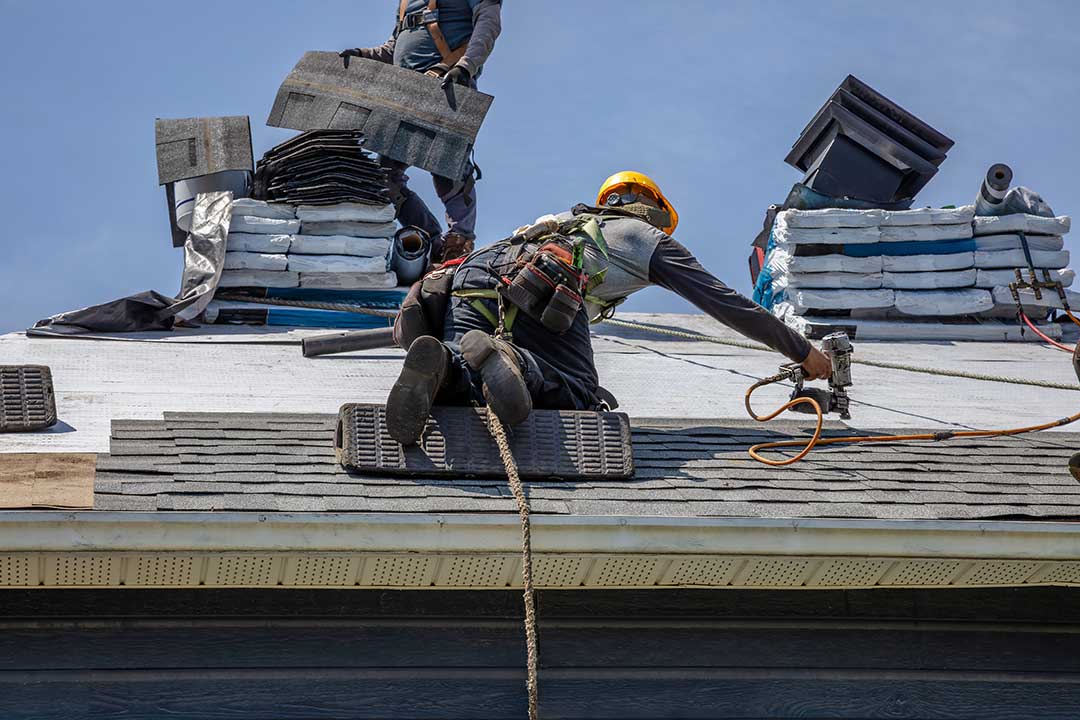
While high-quality materials are designed to tolerate a lot of movement, even the best products experience aging when exposed to years of shifting local temperatures.
Are There Overlooked Signs of Weather-Related Roof Damage?
It’s easy to focus on missing shingles or visible leaks, but other subtle red flags may indicate weather-related problems:
- Granules from shingles accumulating in gutters after a rainstorm signals accelerated wear.
- Damp spots on interior ceilings after thawing periods.
- Dark streaks or patches on the roof, likely caused by algae or water flow paths.
- Small icicles forming along eaves, which can signal the beginnings of ice damming even if major leaks haven’t appeared.
These early indicators allow for smaller, less costly repairs if caught promptly.
What Can Residents Do to Minimize Weather Damage?
While no roof is immune to the climate in Geneseo, a few habits can reduce weather-related impact:
- Inspect roofs and attics at least seasonally, with extra attention after heavy snow, wind, or rain.
- Keep gutters and downspouts clear to allow for proper water drainage throughout the year.
- Watch for ice buildup along roof edges during freeze-thaw cycles.
- Clear organic debris—like branches or leaves—that could hold moisture against roofing materials.
- Check for signs of leaks or water stains both inside and outside, especially after storms.
When safety or access is a concern, consider visual inspections from ground level or with binoculars and prioritize any immediate safety hazards.
What About Local Building Codes or Insurance Requirements?
Local building codes in Geneseo set standards for how new and replacement roofs are constructed, including minimum snow load resistance, wind ratings, and underlayment requirements. Adhering to these not only protects individual homes but also impacts insurance coverage in case of weather-related damage.
Homeowners should be aware that insurance policies may limit coverage if regular roof maintenance is neglected or if damage occurs due to long-term wear rather than a specific storm event. Documentation of periodic care and quick attention to known issues can help streamline any claims if needed.
