

Why Do Roofs in Geneseo, NY Need Cleaning?
Roofs in Geneseo, NY accumulate debris, moss, and algae at a notable rate due to the area's mix of seasonal rain, humidity, drifting leaves, and winter weather. These growths and buildups are more than cosmetic; they can cause decay, leaks, and reduce a roof’s lifespan. Residents notice dark streaks, green patches, or blocked gutters most often in the moist aftermath of spring and summer, or after a long winter’s snow melt uncovers organic material left behind.
Unattended roof growths and debris often signal moisture problems that can affect an entire home, not just the shingles. Regular cleaning is essential for preserving both curb appeal and structural integrity in the region’s climate.
What Are the Safest Methods for Cleaning a Roof?
The safest methods for roof cleaning minimize risk to both people and property. The general rule is to use approaches that require the least physical contact and lowest chemical impact while producing results. For most Geneseo homes:
- Use a garden hose fitted with a spray nozzle for routine rinsing.
- Remove large debris (twigs, leaves) using a roof rake or soft-bristle broom with an extension handle.
- Apply a cleaning solution suited for your roof type (such as a diluted mix of gentle soap and water, or an oxygen-based cleaner for shingles) for algae or moss removal.
- Allow the solution to sit according to directions, then gently rinse.
- Avoid pressure washers; these can dislodge shingles, force water under roofing layers, or void warranties.
Check weather conditions before cleaning. A dry, mild day with little wind provides the safest environment and best results.
What Safety Steps Should Residents Take When Cleaning Their Roof?
Cleaning a roof can be hazardous, particularly on steeper pitches, wet surfaces, or if working alone. Prioritize personal safety with these core precautions:
- Only attempt cleaning when the roof is dry and free of ice, frost, or recent rain.
- Always use sturdy, slip-resistant footwear.
- Use a properly placed, well-maintained extension ladder with stabilizer arms if you must access the roof directly.
- Never lean over edges or reach too far — move the ladder as needed.
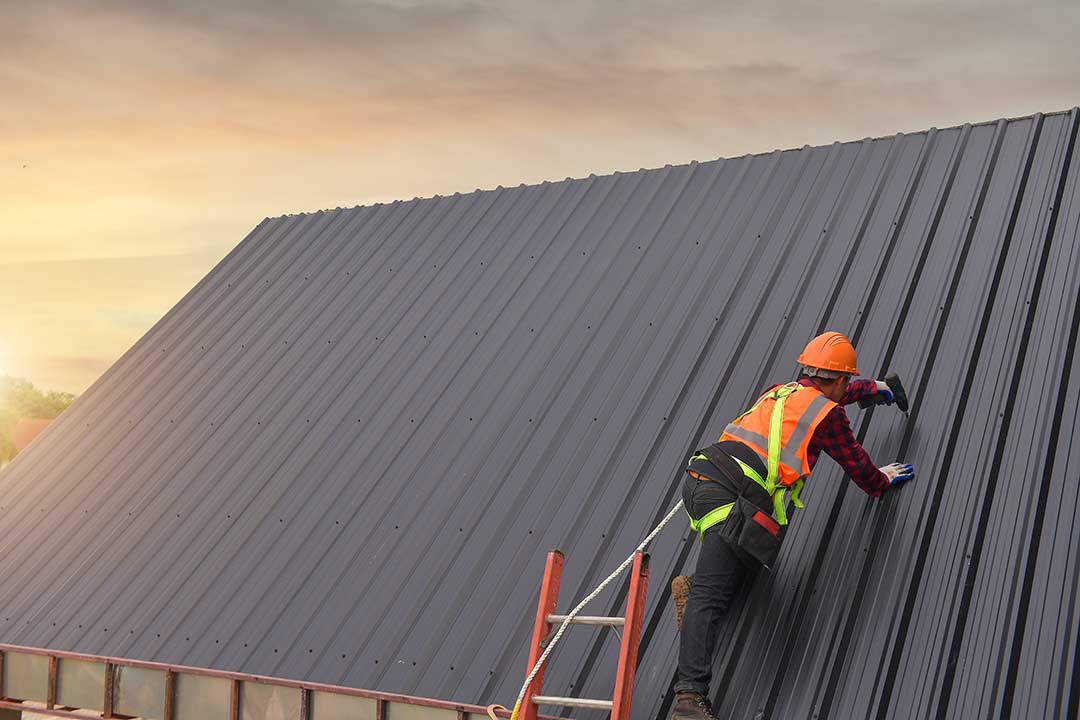
- Consider using a safety harness rated for roof work if working on slopes over 4:12 pitch.
- Secure pets and children indoors during cleaning.
- Have a second adult nearby if possible, even if they remain at ground level.
If heights or mobility are an issue, cleaning from the ground using telescoping tools is often safer and still effective for removing debris.
What Cleaning Solutions Are Best for the Area’s Climate?
In Geneseo’s climate, where roofs often see moss and algae due to dampness and shade, homeowners frequently look for a solution that balances effectiveness against long-term roof health:
- Oxygen-based cleaners (not chlorine bleaches) are safer for asphalt and architectural shingles and pose minimal harm to plants or siding.
- For moss, a homemade mixture of water and oxygen bleach (about one cup per gallon) can be applied, left for 15–20 minutes, and gently rinsed off.
- Avoid harsh detergents or high concentrations of household bleach, as these can damage shingles and runoff may harm lawns or gardens prevalent in the area.
Test any new solution on a small section before treating the whole roof, and be mindful of runoff reaching drainpipes or plant beds.
How Often Should Roofs Be Cleaned Locally?
For most homes in the community, a full roof cleaning once every one to two years is typically enough unless heavy tree cover, frequent storms, or visible moss call for a more frequent schedule. It’s best to inspect the roof each spring and fall, removing debris and checking for early signs of moss or lichen.
Periodic maintenance — like trimming overhanging tree branches and clearing gutters — will reduce the need for full-scale cleanings and prevent many related roof issues.
Are There Common Missteps Residents Should Avoid?
Several missteps frequently lead to long-term roof problems in the region:
- Using pressure washers or hard bristles, which may strip protective granules or force water beneath shingles
- Working on roofs alone without telling anyone or setting up safety measures
- Using strong chemical solutions without considering runoff to local gardens, stormwater drains, or pets
- Ignoring moss or algae for several years; by that point, damage is often well underway
Taking a cautious, well-informed approach preserves not just appearance but also underlying roof health.
When Is Roof Cleaning Not a DIY Task?
While most debris removal and algae treatment is manageable with basic precautions, skip DIY cleaning if:
- The roof has severe pitch, is difficult to access, or feels unstable underfoot
- Large sections of moss or algae have caused shingles to lift or degrade
- There are visible leaks, soft spots, or signs of advanced water damage
In these cases, roof safety — as well as local housing codes and recommendations — make it wise to have repairs or deep cleaning handled by those with the appropriate training and safety equipment.
