
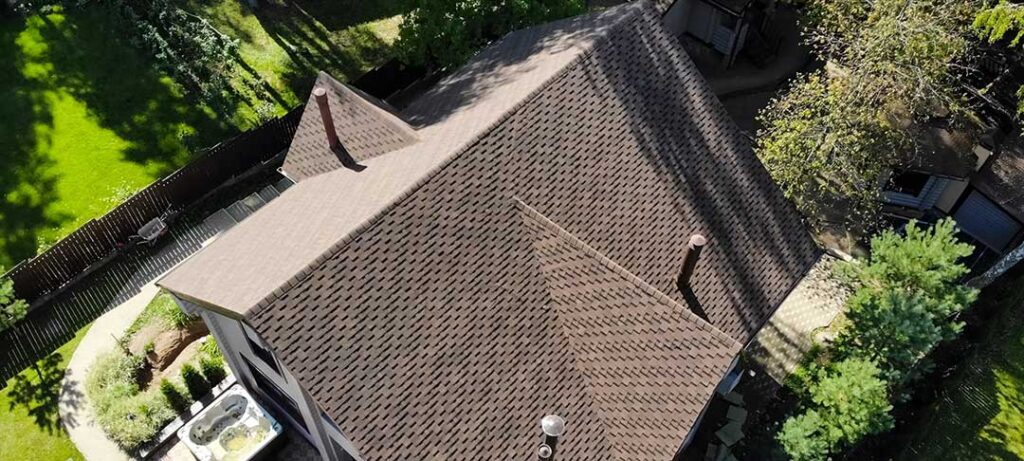
What Are the Most Frequent Sources of Roof Leaks?
Most roof leaks in Geneseo, NY homes result from a handful of recurring issues related to weather, age, and maintenance routines specific to the area’s climate. Cold winters, wet springs, and shifting seasonal temperatures all take a toll, but understanding the main culprits can help residents protect their homes better.
How Does Weather in Geneseo Affect Roof Leak Risks?
Seasonal weather patterns in Geneseo pose specific challenges that increase the likelihood of roof leaks. Prolonged snow loads, heavy rain, freeze-thaw cycles, and strong winds are all commonly involved.
- Snow and Ice Dams: In the winter, snow accumulating on rooftops can lead to ice dams. As heat from inside the home escapes through the attic, it melts snow on the roof. This melted water can refreeze at the eaves, forming an ice dam that blocks subsequent meltwater from draining properly. Water then backs up under shingles, slipping into the attic space and creating leaks.
- Wind-Driven Rain: Spring and summer storms sometimes bring strong winds that lift or displace shingles, exposing the underlayment or even the roof deck. Wind-driven rain then finds its way inside.
- Freeze-Thaw Expansion: Rapid temperature changes cause roofing materials to expand and contract, sometimes splitting shingles, working fasteners loose, and opening small gaps that admit water.
Why Do Flashings and Chimneys Leak So Often?
Flashing is the thin metal material installed at joints, valleys, and transitions on the roof—such as around chimneys, skylights, or vent pipes—to direct water away from seams.
- Corroded or Damaged Flashing: Over the years, flashing can rust, crack, or pull away due to weather or the settling of the house. Even small holes or gaps in flashing are common entry points for water.
- Old Mortar or Sealant Around Chimneys: Masonry chimneys may develop gaps in the mortar or lose their protective sealant. Water runs down the chimney sides or through the flashing and into the attic.
- Installation Issues: Incomplete or poorly applied flashing is a leading cause of leaks, especially in older homes with multiple roofing layers.
How Do Missing or Damaged Shingles Lead to Leaks?
Shingles form the primary barrier against water, but they can be lost, cracked, cupped, or warped over time, especially after storms or due to age.
- Lost Shingles: High winds or falling branches can dislodge asphalt or wood shingles, leaving the underlayment exposed.
- Cracks and Curls: Sun, ice, and changes in humidity often cause asphalt shingles to dry out, crack, or curl, creating easy pathways for water.
- Granule Loss: The granules on asphalt shingles protect them from sunlight and water penetration. As shingles wear, granules wash away, and leaks become more likely.
Are Roof Valleys Prone to Leaking?
Roof valleys—the areas where two roof planes meet—are especially vulnerable, since they funnel large amounts of water toward gutters or drains.
- Improper Sealing or Underlayment: If the valley flashing or underlayment shifts or deteriorates, water can slip under shingles and reach the roof deck.
- Debris Build-Up: Leaves, twigs, and moss accumulate in valleys, trapping moisture and accelerating shingle degradation. Locally, valleys often see more ice and snow lasting into spring, further compounding the risk.
Can Skylights and Roof Vents Cause Unexpected Leaks?
Yes, penetrations through the roof—such as skylights, bathroom vents, attic fans, and plumbing stacks—are common leak zones.
- Old or Deteriorated Sealant: Over time, the rubber gaskets or caulking around skylights and vents break down from sun and ice exposure.
- Improper Installation: If flashing around a skylight or vent is incorrectly installed, even a minor storm can lead to leaks inside the attic or ceiling.
Why Do Attic Problems Lead to Roof Leaks Below?
Attic issues are an often-overlooked cause of apparent roof leaks. Sometimes, what appears to be a roof leakage is really condensation.
- Inadequate Ventilation: Warm, humid air trapped in the attic may condense on cold surfaces during winter. This sometimes drips down, mimicking a true leak.
- Blocked or Poorly Installed Insulation: Insulation that covers attic vents or is improperly arranged can trap moisture, rotting wood and promoting mold growth in hidden areas.
Are Clogged Gutters a Real Cause of Roof Leaks?
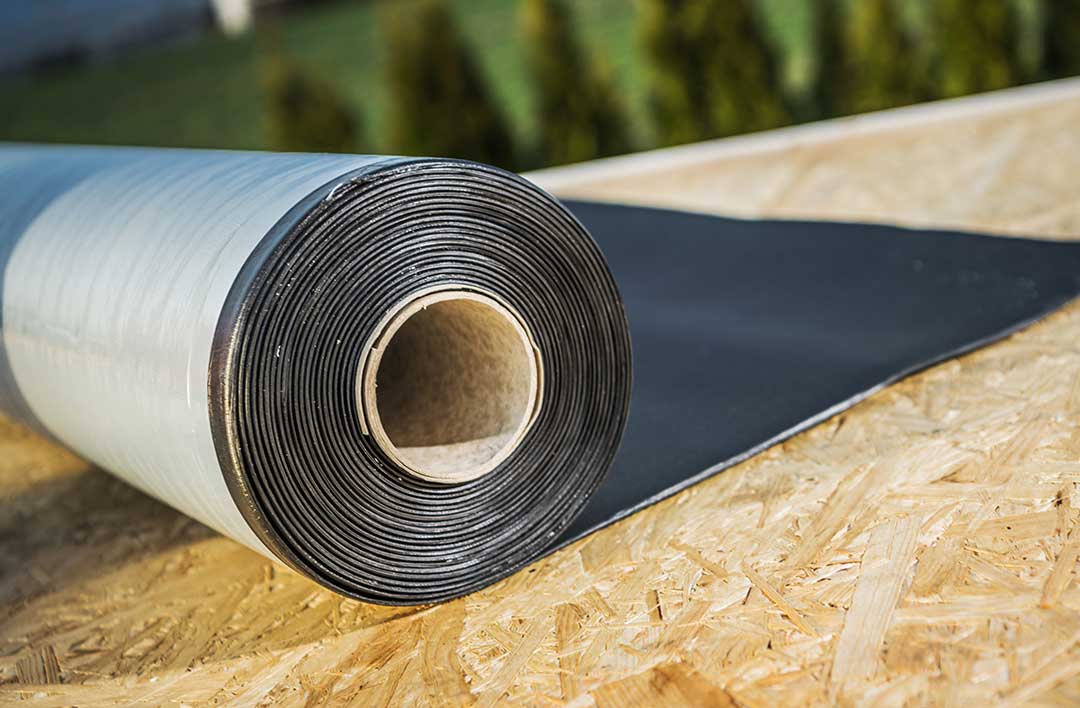
Blocked gutters and downspouts do not directly make holes in the roof, but they often cause water to pool and back up under shingles.
- Overflow at the Eaves: Especially in neighborhoods with mature trees, gutter clogs in autumn or spring storms force water onto the edge of the roof. This leads to rot at the roof’s edge, stained siding, and leaks just inside exterior walls.
- Ice Damming in Gutters: Ice that forms in gutters, combined with snow on the roof, worsens ice damming and increases water damage risk in the home.
What Mistakes Do Residents Make When Investigating Roof Leaks?
Residents sometimes mistakenly look only for missing shingles, but leaks can come from many less obvious places.
- Overlooking Ventilation and Attic Issues: Homeowners may incorrectly attribute ceiling stains to leaks, when attic condensation is the true source.
- Ignoring Small Stains: Even tiny ceiling spots or peeling paint near outside walls can signal slow leaks that have gone unnoticed for months.
- Assuming Leaks Are Directly Above Stains: Water often follows beams or trusses and appears far from its actual entry point.
What Preventative Steps Help Reduce Leak Risks?
While all roofs eventually need updating, good habits minimize the most common problems for homes in the region.
- Clean gutters each fall and after major storms.
- Inspect for missing or damaged shingles after high winds or heavy snow.
- Watch for ice dams and remove snow from roof edges when safe to do so.
- Check attic spaces for signs of moisture, mold, or blocked vents.
- Look for loose flashing or deteriorating sealant around chimneys and skylights.
- Trim trees overhanging the roof to prevent limb damage.
