
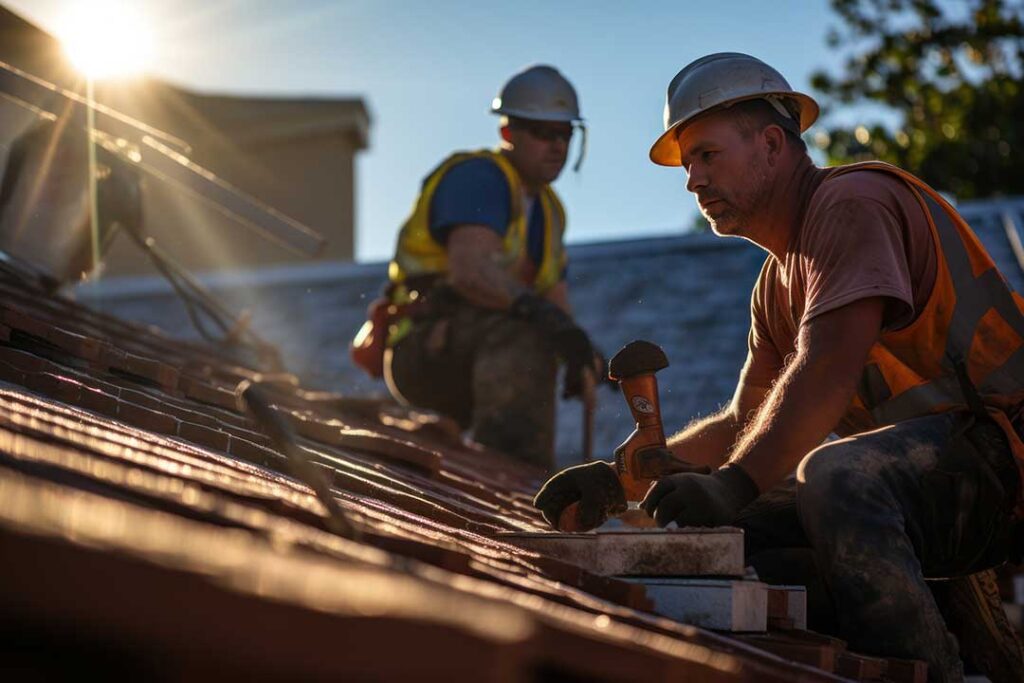
A professional roof inspection is a systematic review of a roof’s visible condition, drainage, ventilation, and related building components. The goal is to identify current damage, early signs of failure, maintenance needs, and conditions that may become more serious if ignored.
For homeowners in Geneseo, roof inspections can be especially useful after heavy snow, ice, wind, freeze-thaw cycles, or prolonged rain. An inspection does not automatically mean that replacement work is needed. In many cases, it provides a clearer understanding of what is sound, what needs attention, and how urgently action may be required.
What happens before the inspection begins?
The inspection usually starts with a brief conversation about the property and any concerns noticed by the occupants. The inspector may ask about:
- Water stains on ceilings or walls
- Missing, lifted, or damaged shingles
- Past leaks or repairs
- Unusual attic odors or dampness
- Drafts, temperature differences, or ice buildup
- The approximate age of the roof
- Recent storms or winter weather
This background helps direct attention to areas that may not be obvious from the ground. A ceiling stain, for example, may be located several feet away from the actual roof entry point because water can travel along roof framing before appearing indoors.
The inspector may also ask whether the roof has been altered, such as by the installation of skylights, roof windows, vents, solar equipment, or additions. Penetrations and transitions often require closer review because they interrupt the roof’s continuous water-shedding surface.
Will the inspector walk on the roof?
Sometimes, but not always. Roof access depends on slope, height, surface condition, weather, age, and safety risks.
A low-slope roof in good weather may allow a close visual inspection from the surface. A steep, wet, icy, fragile, or heavily deteriorated roof may be evaluated from ladders, nearby roof sections, attic spaces, and ground-level viewpoints instead.
A responsible inspection does not require unsafe access. Binoculars, cameras, attic observations, and careful examination of roof edges can provide useful information when walking on the roof would create unnecessary risk.
Homeowners should expect the process to pause or change if rain, snow, ice, high winds, or unstable surfaces make access hazardous.
What roof components are examined?
The inspection generally covers more than shingles. A roof functions as a system, and problems in one component can affect another.
Shingles or other roof coverings
The inspector looks for:
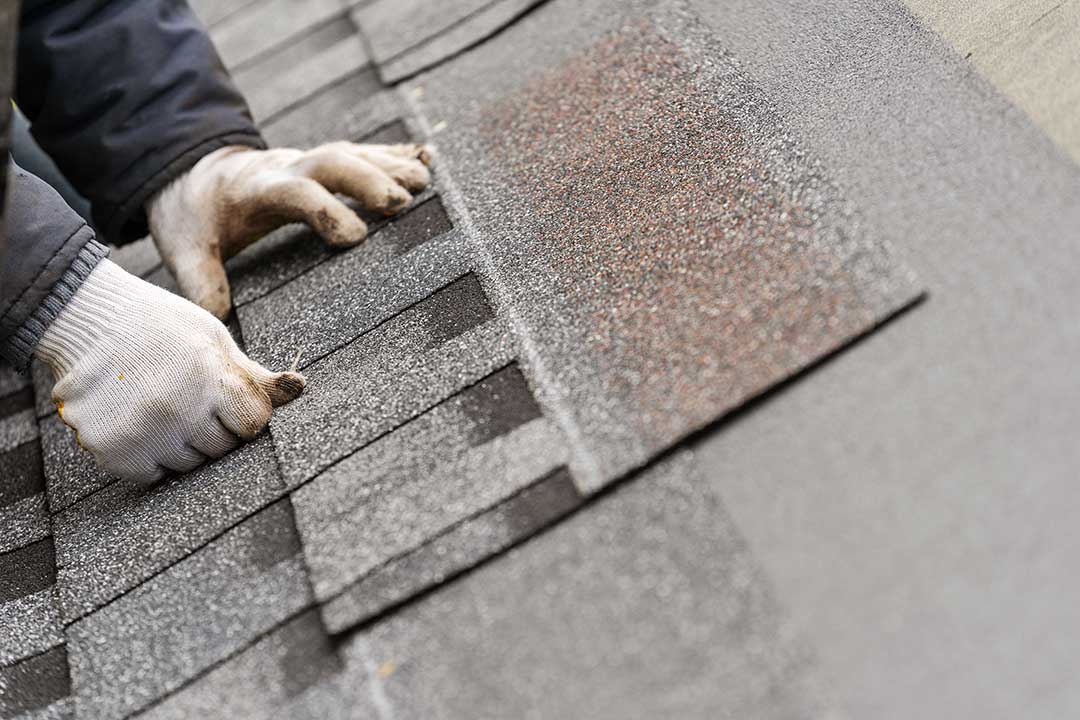
- Missing, cracked, curled, blistered, or loose materials
- Granule loss and exposed underlying layers
- Areas worn thin by age or weather
- Improperly placed fasteners
- Uneven surfaces or visible sagging
- Repairs that are separating or no longer weather-tight
On asphalt shingle roofs, isolated damage does not always mean the entire roof has reached the end of its serviceable life. The extent, pattern, age, and condition of surrounding materials all matter.
Flashing and roof penetrations
Flashing directs water around chimneys, vent pipes, walls, valleys, skylights, and other interruptions. Inspectors check for corrosion, gaps, lifted edges, cracked sealant, displacement, or details that allow water to collect.
Flashing problems can cause leaks even when the field shingles appear relatively sound.
Gutters, downspouts, and roof edges
Drainage areas are reviewed for:
- Clogged or overflowing gutters
- Loose or sagging sections
- Downspouts that discharge too close to the foundation
- Heavy moss or debris near roof edges
- Damaged drip edges
- Signs that water is backing up beneath the roof covering
In a climate with repeated freezing and thawing, water trapped in clogged drainage paths can expand and contribute to deterioration.
Attic ventilation and insulation
If the attic is safely accessible, the inspector may look for damp insulation, mold-like growth, staining, daylight visible through roof areas, and inadequate airflow.
Ventilation problems can contribute to condensation, excessive summer heat, premature material aging, and winter ice buildup. However, frost or moisture in an attic can also result from air leakage from the living space, so the cause should be identified rather than assumed.
Interior ceilings and walls
Interior evidence can help confirm whether exterior observations are connected to an active leak. The inspection may include ceilings, upper walls, attic framing, and areas around chimneys or roof penetrations.
A dry stain does not necessarily prove that a leak is still active. It may represent an old issue, but it still deserves investigation if the source was never documented or corrected.
How are storm and winter problems identified?
After strong winds, inspectors look for displaced shingles, lifted edges, damaged flashing, fallen branches, and impact marks. Not every dark mark or irregularity is storm damage. A qualified evaluation considers the age, pattern, direction, and type of damage.
Snow and ice can create different concerns. Inspectors may look for:
- Ice dams or repeated ice buildup
- Water staining near eaves
- Damaged gutters
- Shingles loosened by expansion and contraction
- Sagging roof sections
- Snow-related stress on roof structures
- Attic condensation associated with poor air sealing
Ice buildup is often treated as a roof problem, but it may also indicate heat escaping from the home or inadequate attic ventilation. Correcting only the visible ice damage may not address the underlying cause.
What does the inspection report usually include?
A useful report explains observed conditions in plain language and separates confirmed findings from items that need further evaluation. It may include photographs, notes about roof coverings, drainage, flashing, ventilation, attic conditions, and interior evidence.
Reports commonly classify findings by urgency:
- Immediate safety concern: Conditions involving unstable surfaces, exposed openings, structural movement, or electrical hazards
- Active water-entry concern: Evidence that water may currently be entering the building
- Maintenance issue: Conditions that should be corrected but are not necessarily causing immediate damage
- Monitoring item: A minor or uncertain condition that should be watched over time
- Further evaluation needed: An area that cannot be confirmed through visual inspection alone
The report may also distinguish between a localized repair and broader deterioration. That distinction matters because a single damaged component may be manageable, while widespread aging, recurring leaks, or structural problems require a more extensive plan.
What can a roof inspection not determine?
A standard visual inspection has limits. It may not reveal concealed damage beneath roof coverings, hidden framing deterioration, or problems that occur only during particular weather conditions.
Some questions may require additional investigation, such as:
- Whether a roof deck is structurally sound beneath intact materials
- Whether hidden mold or moisture exists inside enclosed spaces
- Whether a leak is active during a dry inspection
- Whether insulation or ventilation meets a specific building requirement
- Whether storm damage is covered under an insurance policy
- Whether a roof can safely support new equipment
An inspection also should not be confused with a guarantee of future performance. A roof may be in good visible condition and still develop a leak later because of severe weather, a failed penetration, or concealed deterioration.
When is a roof inspection especially useful?
An inspection is worth considering after a significant storm, before buying or selling a home, following a leak, or when a roof is approaching the later part of its expected service life. It can also be useful before adding an attic conversion, solar equipment, a skylight, or other feature that depends on roof condition.
For local households, seasonal timing can matter. A review after winter may identify damage from snow, ice, and freeze-thaw movement. A review after summer storms may reveal wind-related problems or clogged drainage caused by leaves and debris.
The most useful outcome is not a sales recommendation. It is a clear record of the roof’s present condition, the evidence supporting each finding, and the difference between urgent work, routine maintenance, and conditions that simply need monitoring.
