
How long does a roof usually last?
A typical asphalt-shingle roof often lasts about 15 to 30 years, but its actual service life depends on installation quality, ventilation, maintenance, storm exposure, and the type of shingles used. In Geneseo, NY, repeated freeze-thaw cycles, snow, wind, ice, and summer heat can gradually shorten a roof’s useful life.
Age alone does not prove that replacement is necessary. However, an older roof deserves closer attention, especially if it has experienced several leaks, storm damage, or repeated repairs. A roof that is near the end of its expected life may still look acceptable from the ground while its underlayment, flashing, or decking has begun to deteriorate.
Roof age is best considered together with visible symptoms and the condition of the materials beneath the shingles.
What are the clearest signs that a roof needs replacement?
The strongest signs are widespread deterioration, recurring water entry, and damage that affects the roof system rather than a single isolated area.
Look for:
- Shingles that are cracked, curled, buckled, blistered, or missing
- Large areas where the surface granules have worn away
- Dark streaks or exposed black underlayment
- Sagging along the roofline or between rafters
- Repeated leaks in different rooms or locations
- Damaged or deteriorated flashing around chimneys, vents, skylights, and roof edges
- Daylight visible through the roof deck in an attic
- Soft, damp, or rotted wood beneath the roof covering
- Water stains that return after repairs
- Excessive shingle debris collecting in gutters
A few damaged shingles do not necessarily mean the entire roof must be replaced. Widespread problems, however, suggest that patching may only delay a larger failure.
How can an older roof be evaluated from the ground?
A ground-level inspection can identify warning signs, but it cannot reveal every serious problem. Binoculars can help residents examine shingles, flashing, valleys, and roof edges without climbing.
From the ground, check whether:
- Shingle rows appear uneven or wavy
- Sections look noticeably different because of past repairs
- Shingles are losing their protective surface
- Gutters contain an unusual amount of coarse granules
- Roof edges appear lifted after wind
- Flashing is loose, rusted, cracked, or visibly separated
- Snow or ice has caused damage near eaves and valleys
A roof can appear intact while still having wet insulation, deteriorated decking, or inadequate ventilation. Climbing onto a steep, wet, icy, or damaged roof creates a fall hazard and is not necessary for a basic first assessment. If structural damage, active leaking, or unsafe access is present, evaluation should be handled by someone equipped to work safely.
Do leaks always mean the roof needs to be replaced?
No. A single leak does not automatically require full replacement. Water can enter through a damaged flashing joint, a failed pipe boot, a small puncture, or an ice-related opening. These problems may be limited and repairable if the surrounding roof materials remain sound.
Replacement becomes more likely when leaks are frequent, appear in several places, or continue after localized repairs. Persistent moisture can damage roof decking, insulation, ceilings, wall cavities, and electrical components. The visible stain inside the home may also be several feet away from the actual entry point because water travels along rafters and sheathing.
After any leak, the affected attic area should be checked for damp insulation, mold-like growth, stained wood, or soft decking. A ceiling stain that has dried does not prove that the problem is resolved.
What does winter weather do to roofs in Geneseo?
Winter conditions can expose weaknesses that remain unnoticed during mild weather. Snow adds weight, while ice dams can force melting water beneath shingles along the eaves. Freeze-thaw movement can widen small cracks and loosen flashing or sealants.
Common cold-weather concerns include:
- Ice buildup along roof edges
- Water stains near exterior walls or ceilings
- Icicles associated with blocked drainage or heat loss
- Shingles lifted by wind before or during winter
- Snow sliding suddenly from a steep roof
- Gutter separation caused by ice and accumulated weight
Ice dams are often related to heat escaping into the attic, inadequate insulation, blocked ventilation, or a combination of factors. Replacing shingles without addressing the underlying attic conditions may not prevent the problem from returning.
Residents should also avoid chopping ice from shingles or pulling down heavy snow from unsafe positions. Those actions can damage the roof covering and create a falling-object hazard.
Is replacing a roof before it leaks a good idea?
Sometimes. Planned replacement is generally less disruptive than emergency work after water has entered the home. Replacing an aging roof before widespread failure may reduce the risk of damaged decking, insulation, interior finishes, and personal property.
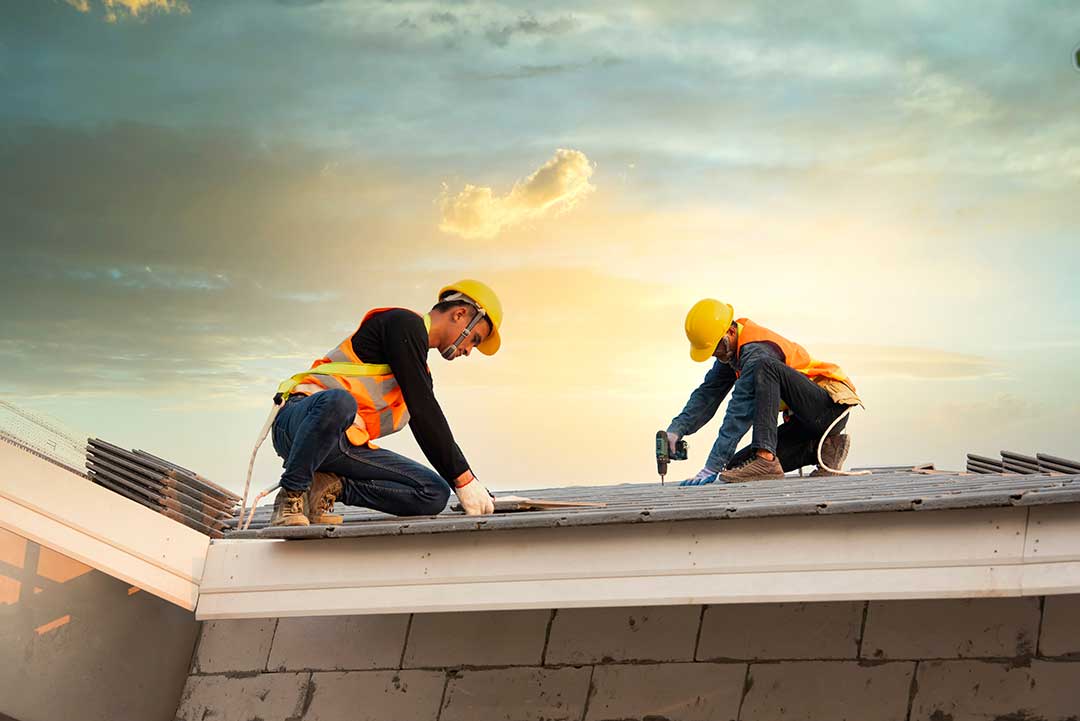
Early replacement may be reasonable when the roof is:
- Near or beyond its expected service life
- Showing widespread granule loss or curling
- Frequently repaired after storms
- Soft or sagging in multiple locations
- Consistently leaking despite previous repairs
- Difficult to match because replacement materials are no longer readily available
Waiting can make sense when the roof is younger, damage is localized, and the structure remains dry and sound. The decision should be based on the roof’s overall condition rather than on age or appearance alone.
Can a roof be repaired instead of replaced?
Repair is often appropriate when damage is limited to a small, clearly defined area. Examples include a few wind-damaged shingles, a failed flashing connection, or a damaged vent component.
Replacement becomes more practical when repairs are scattered across the roof or when the existing shingles are too brittle to work with safely. Adding new shingles over a deteriorating surface can conceal problems without correcting them. Multiple roofing layers may also add weight and make future inspection more difficult, depending on the structure and applicable requirements.
A useful question is not simply, “Can this spot be patched?” It is also, “How much unaffected roof remains, and how likely is the next failure to occur elsewhere?”
What should homeowners check in the attic?
The attic can reveal roof problems earlier than the living space. On a dry day, inspect from a safe walking surface and use a flashlight.
Look for:
- Darkened or damp wood
- Water trails on rafters or roof decking
- Rusted nails or metal components
- Wet insulation
- Musty odors
- Mold-like spotting
- Compressed insulation near eaves
- Blocked soffit or ridge ventilation
- Daylight entering through unintended openings
Not every dark mark indicates an active leak, and not every leak leaves a visible attic trail. Moisture can evaporate between storms or remain hidden inside insulation. Still, attic evidence is a strong reason to investigate before the next period of rain, snow, or freezing temperatures.
What happens if replacement is delayed too long?
A roof that has reached the end of its service life may fail gradually, but damage can accelerate after one severe windstorm, heavy snowfall, or prolonged rain. Once water reaches the decking, insulation, walls, or ceilings, the cost and complexity of the work can increase.
Delaying replacement may also create practical problems during seasonal weather. Temporary coverings and emergency repairs can reduce immediate exposure, but they are not always a permanent solution. A roof that is visibly sagging, has a large opening, or allows active water entry requires prompt attention because structural and interior damage may be developing.
The most reliable decision comes from combining the roof’s age, visible condition, attic evidence, repair history, and exposure to local weather. A roof does not need to look severely damaged from the street before replacement becomes the more sensible choice.
