
A roof does more than keep rain and snow out. Its color, condition, ventilation, insulation, and connection to the rest of the building envelope can influence indoor comfort and household energy use throughout the year.
For homes in Geneseo, NY, roofing decisions need to account for cold winters, summer heat, wind, moisture, and repeated freeze-thaw cycles. Energy efficiency is rarely determined by the roofing material alone. The most useful approach is to look at the roof as part of a complete system that includes the attic, insulation, air sealing, ventilation, and drainage.
Does the roof itself affect energy efficiency?
Yes, but usually not in isolation. A roof can absorb solar heat, allow heat to escape, or contribute to moisture problems that reduce the performance of insulation.
During winter, heated indoor air naturally moves upward. If the attic floor has gaps around plumbing, wiring, light fixtures, or access openings, warm air can leak into the attic. That escaped air may carry moisture with it, which can contribute to condensation and damp insulation.
During summer, dark roofing surfaces can become very hot in direct sunlight. Some of that heat moves through the roof assembly and raises attic temperatures. The effect is more noticeable when the attic has insufficient insulation or poor ventilation.
A well-performing roof system generally includes:
- An intact exterior surface
- Proper flashing around penetrations and roof edges
- Adequate insulation at the attic floor or within the roof assembly
- Controlled air movement between the living space and attic
- Ventilation designed for the specific roof
- Clear drainage paths for rain and melting snow
How does attic insulation affect heating and cooling costs?
Attic insulation is often more significant than the roofing material when energy use is the concern. If insulation is thin, compressed, wet, or unevenly distributed, heat can move through the ceiling more easily.
In winter, insufficient insulation allows heat to escape through the upper parts of the house. In summer, it allows attic heat to move downward into living areas. Even a roof in good visible condition cannot correct an under-insulated attic.
Insulation should not block soffit or eave ventilation where those openings are part of the roof design. Blocking airflow can create moisture problems and may reduce the roof’s service life. Insulation also needs to be kept dry. Wet insulation generally performs poorly and may indicate a roof leak, interior air leakage, or condensation issue.
An attic inspection should look for:
- Gaps or thin areas in insulation
- Darkened or damp materials
- Frost or water staining during cold weather
- Compressed insulation near storage areas
- Openings around pipes, ducts, wiring, and attic hatches
- Bathroom or kitchen exhaust that ends in the attic rather than outdoors
What is the difference between air sealing and ventilation?
Air sealing limits unwanted movement between the heated home and the attic. Ventilation manages controlled airflow within the attic or roof assembly. They serve different purposes and should not be treated as substitutes.
Air sealing may involve closing gaps around ceiling penetrations, sealing an attic hatch, or addressing openings near chimneys and ductwork. This helps keep conditioned air inside the home and reduces the amount of moisture entering the attic.
Ventilation helps remove heat and moisture from areas designed to breathe. Depending on the roof, it may involve intake openings near the lower roof edge and exhaust openings near the upper portion. The system must be balanced; adding an exhaust vent without adequate intake airflow may not improve performance.
More ventilation is not automatically better. Unplanned openings, damaged vents, or wind-driven rain can create problems. A roof should be evaluated as a complete airflow system rather than by counting vents alone.
Can a roof color change indoor temperatures?
Roof color can affect how much solar energy the roof surface absorbs. Dark materials generally become hotter in direct sun, while lighter or more reflective surfaces may remain cooler.
However, roof color is only one factor. Insulation levels, attic ventilation, ceiling design, tree shade, roof pitch, and the home’s orientation may have a greater effect on indoor comfort. A reflective roof surface cannot compensate for major air leaks or inadequate insulation.
For homes in a cold-winter climate, the most suitable choice is not always the most reflective option available. Year-round performance matters. A roof that reduces summer heat gain but performs poorly with winter moisture, snow, or installation details may not improve overall efficiency.
Does a new roof automatically make a house more energy efficient?
No. A new roof can stop leaks and improve durability, but it may not substantially reduce heating or cooling use unless other parts of the roof system are also addressed.
Replacing exterior materials without correcting attic air leakage or poor insulation may produce little change in utility costs. Likewise, adding insulation without repairing roof leaks can trap moisture and create new damage.
A roof replacement is an opportunity to examine:
- The condition and continuity of the roof deck
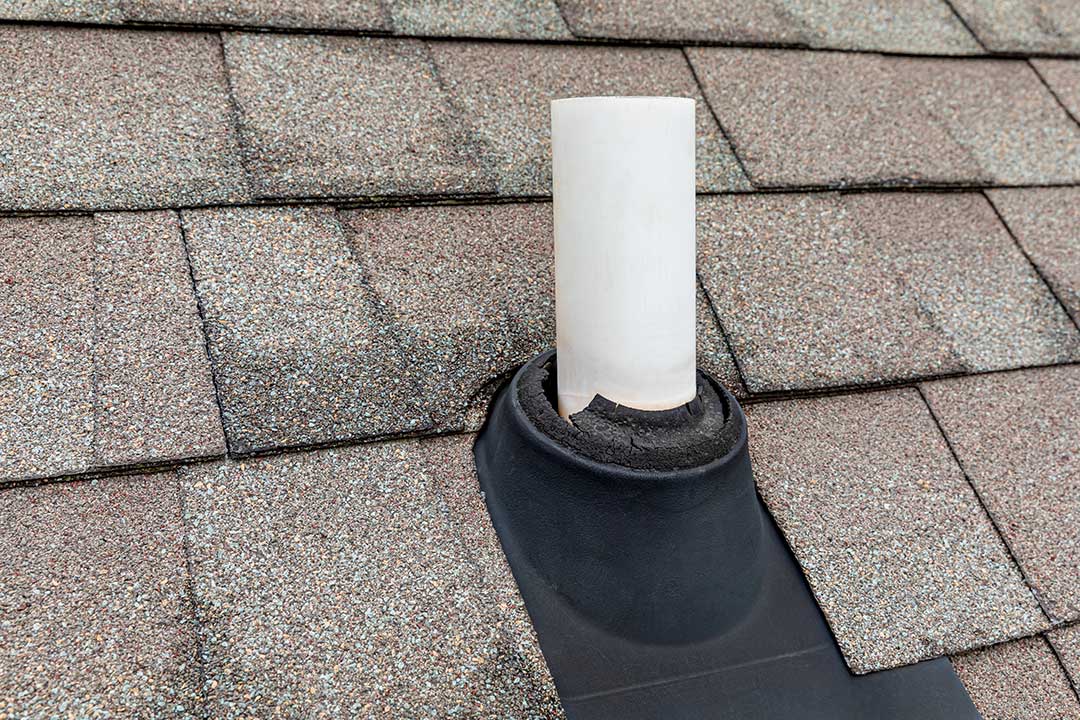
- Flashing around chimneys, skylights, walls, and vents
- Attic insulation depth and coverage
- Air-sealing needs at the ceiling plane
- Intake and exhaust ventilation
- Areas where ice buildup or snow retention has occurred
- Drainage around valleys, eaves, and roof-to-wall transitions
The work should be planned according to the building’s existing design. Older homes may have additions, enclosed porches, low-slope sections, or mixed attic spaces that require different solutions.
How do snow and ice affect roof energy performance?
Snow can act as temporary insulation, but it can also conceal roof defects and contribute to ice dams. An ice dam forms when heat from the upper roof melts snow, allowing water to flow toward a colder eave where it refreezes.
Ice dams are often associated with uneven roof temperatures. Heat loss through the ceiling or attic floor can warm upper roof areas, while eaves remain cold. Poor ventilation may add to the imbalance.
Useful preventive measures include:
- Improving insulation above heated rooms
- Sealing air leaks between the home and attic
- Keeping designed intake and exhaust paths clear
- Maintaining gutters and downspouts
- Correcting areas where snow repeatedly melts or refreezes
- Avoiding damage to roofing materials during snow removal
Ice dams are not always caused by gutters alone. Cleaning gutters may help drainage, but it does not correct the heat loss that causes uneven roof temperatures.
What roof problems can increase energy waste?
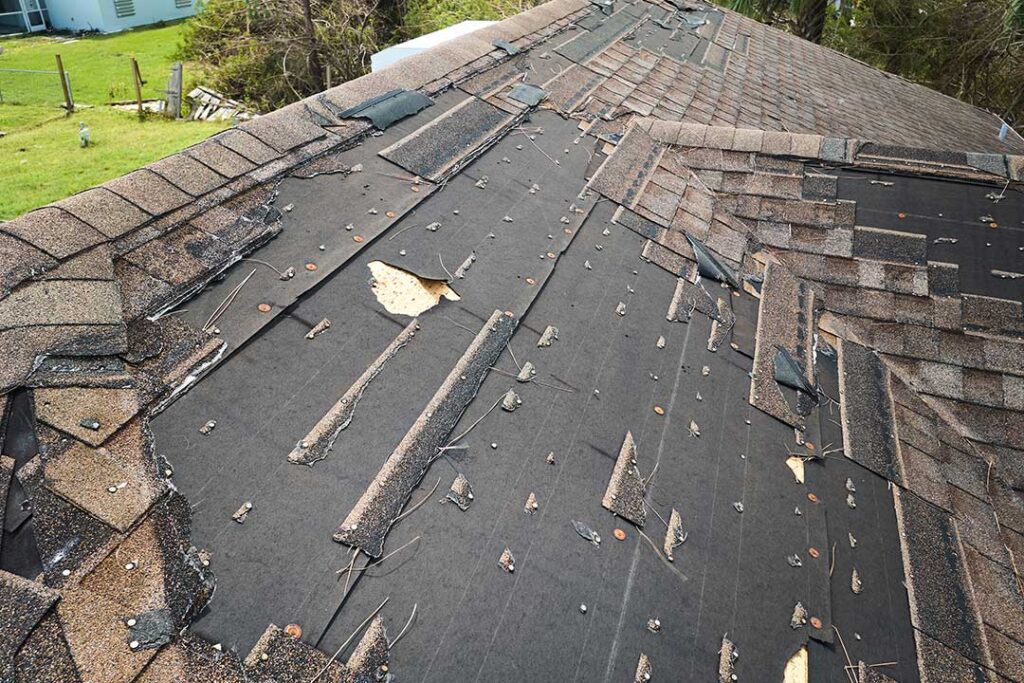
Some problems are easy to overlook because they do not immediately appear as large leaks. Missing or damaged flashing, loose roof materials, deteriorated sealants, and small punctures can allow moisture into the roof assembly.
Moisture reduces the effectiveness of insulation and can damage roof sheathing. In some cases, the indoor symptom is a cold room, musty odor, peeling paint, or inconsistent temperature rather than a visible ceiling stain.
Other warning signs include:
- A room that is much colder or hotter than neighboring rooms
- Unusually high heating or cooling use without a clear change in household habits
- Frost or condensation in the attic
- Recurring ice at the same roof edge
- Sagging insulation or stained roof decking
- Drafts around attic access points
- Daylight visible through areas that should be sealed
Energy efficiency and roof maintenance are therefore connected. A small defect that allows water or air movement can affect comfort long before it becomes a major structural problem.
Which improvements should be addressed first?
The order depends on the condition of the roof and attic, but safety and moisture control generally come first. Active leaks, damaged decking, unsafe access, and blocked drainage should not be covered by insulation upgrades.
After water entry is controlled, the most practical sequence is often:
1. Identify and correct major air leaks.
2. Repair or replace wet and damaged insulation.
3. Improve insulation coverage where space and construction allow.
4. Confirm that attic ventilation is appropriate and unobstructed.
5. Address roof details that create recurring moisture or ice problems.
6. Reassess comfort and energy use through the next heating and cooling seasons.
For residents evaluating a home improvement project, utility bills alone cannot prove that a roof is performing poorly. Weather patterns, thermostat settings, appliance use, occupancy, and air leakage elsewhere in the house also affect energy use. A careful inspection provides more useful information than assuming the roof material is the main cause.
A roof that supports energy efficiency is dry, properly insulated, reasonably airtight at the ceiling plane, and ventilated according to its design. In a climate with cold winters, warm summers, wind, snow, and freeze-thaw conditions, those basic principles usually matter more than a single product feature or roof color.
